

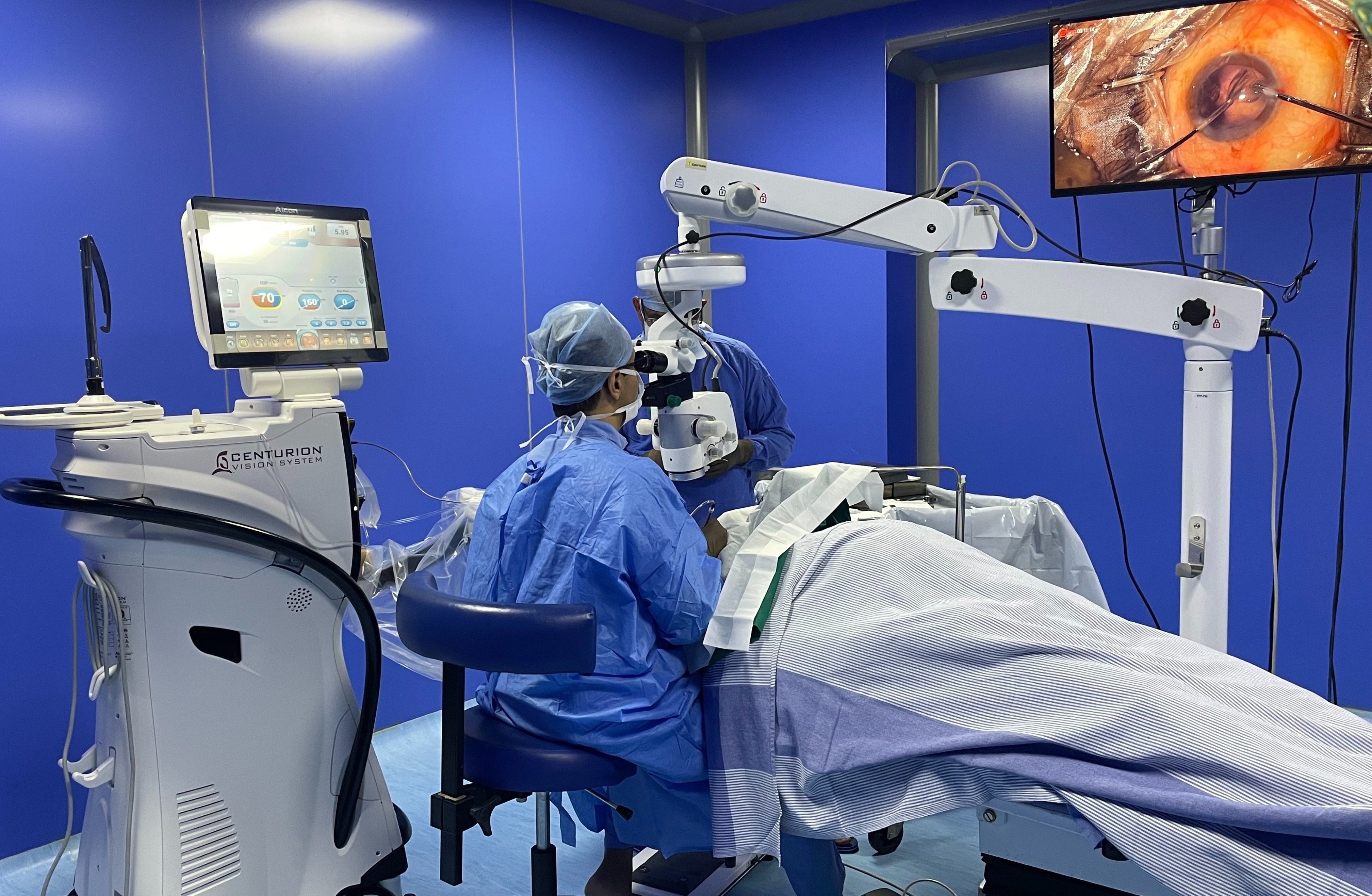
Floaters are common visual experiences. They may look like dots, threads, cobwebs or small shapes moving across the field of vision. Many people notice them occasionally without having a serious retinal problem.
The situation changes when floaters appear suddenly, increase substantially or occur together with flashes or a shadow in the vision. These symptoms can be relevant when assessing the need for Retinal Detachment Treatment or another form of retinal care.
A retinal detachment occurs when the retina separates from the underlying tissue that supports it. Because the retina is essential for vision, symptoms that suggest a possible retinal tear or detachment require timely evaluation.
Important warning signs can include:
A sudden shower of new floaters
Repeated flashes of light
A dark shadow developing in the visual field
A curtain-like area blocking part of the vision
Sudden loss of peripheral vision
Unexplained rapid deterioration in eyesight
The absence of pain should not be reassuring by itself. Retinal problems may occur without producing the type of discomfort people normally associate with an urgent medical problem.
Not every flash or floater means that the retina has detached. Changes involving the vitreous gel inside the eye can also produce these symptoms. The difficulty is that symptoms alone may not reliably distinguish a harmless change from one involving a retinal tear.
This is why examination matters.
A retinal assessment may involve dilating the pupil so the ophthalmologist can examine the back of the eye more thoroughly. Further diagnostic evaluation may be used when necessary.
Treatment depends on what is identified. A retinal tear and an established retinal detachment are not necessarily managed in the same way. The location, extent and type of retinal abnormality influence the treatment approach.
Patients should therefore avoid deciding from online symptom lists that they definitely have, or definitely do not have, a retinal detachment.
For residents around Bannerghatta Road in Bengaluru, understanding these warning signs can help distinguish routine eye complaints from symptoms that warrant prompt assessment. Akshara Eye Hospital lists retinal evaluation among its ophthalmology services and identifies sudden floaters, flashes and curtain-like visual shadows as symptoms requiring attention.
People who already have retinal risk factors should also make sure their ophthalmologist is aware of their complete eye history. Previous eye procedures, significant refractive errors, eye trauma and existing retinal conditions can provide useful clinical context.
The practical rule is straightforward: gradual, longstanding floaters that have already been evaluated are different from a sudden burst of new visual symptoms.
When flashes, numerous new floaters, a shadow or rapid visual loss appears unexpectedly, waiting for the problem to become painful is not a useful strategy. Retinal assessment can determine what is actually happening and whether observation, laser treatment, surgery or another form of management is appropriate.