
A person with diabetes may be able to read, drive and work comfortably while changes are developing inside the retina. This is one of the reasons Diabetic Retinopathy Treatment and screening should not be considered only after eyesight becomes noticeably poor.
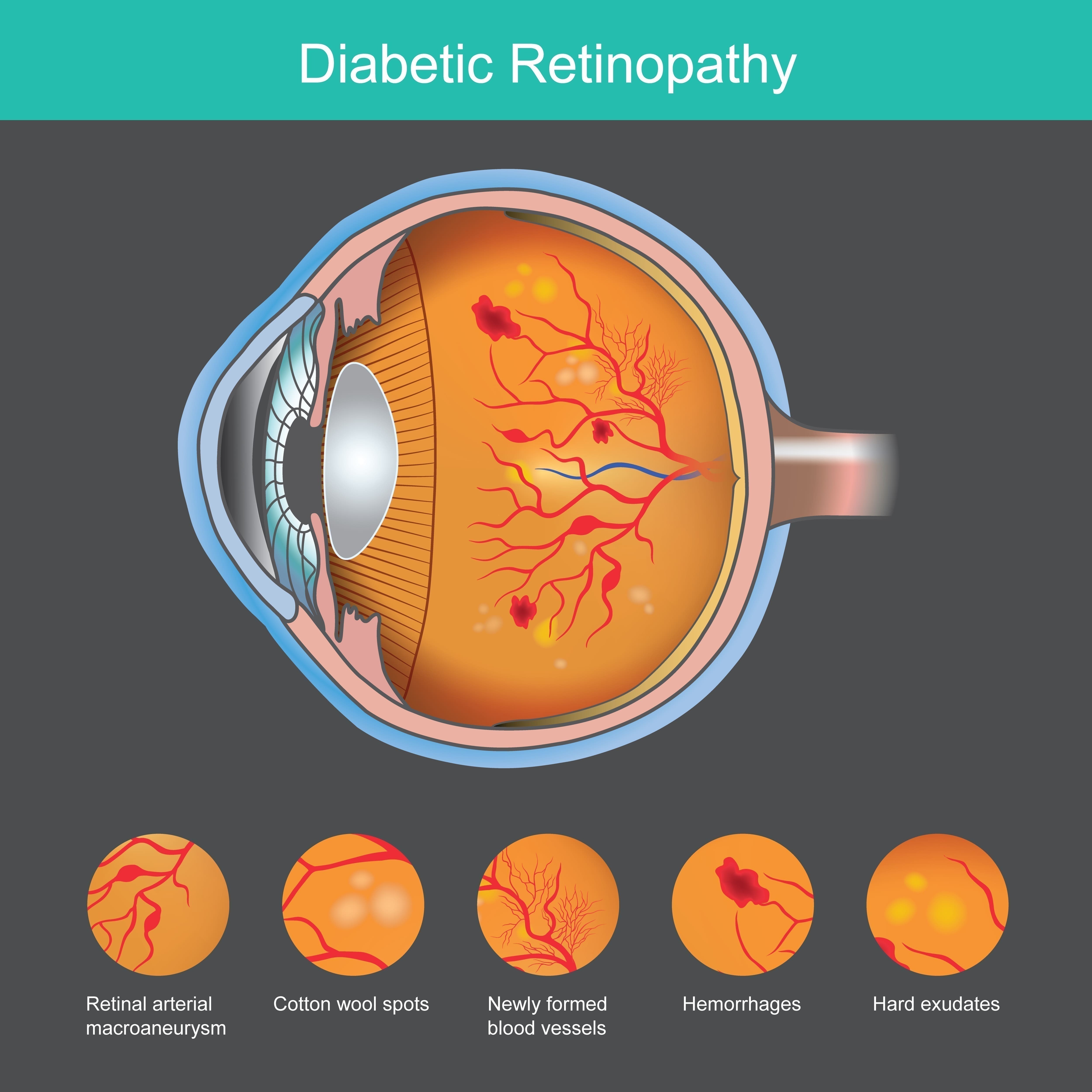
Diabetic retinopathy occurs when diabetes affects the small blood vessels supplying the retina. The condition can develop progressively, and its early stages may produce few obvious symptoms.
This creates a common misconception: "My vision is fine, so my eyes must be fine."
Visual clarity alone cannot always confirm retinal health.
People with diabetes should pay attention to symptoms such as blurred or fluctuating vision, dark spots, floaters, difficulty seeing fine details or unexplained changes in vision. However, waiting for these symptoms before considering a retinal examination can mean relying on symptoms that may appear relatively late.
The purpose of retinal evaluation is to identify changes that may not be apparent during everyday activities.
A detailed examination may assess the retina and its blood vessels, while additional imaging can be recommended when the ophthalmologist needs more information about a particular area or abnormality.
Several factors can influence diabetic eye health, including:
Duration of diabetes
Blood glucose management
Blood pressure
Kidney health
Pregnancy
Existing retinal findings
Previous diabetic eye treatment
This is why there is no single follow-up schedule that applies identically to every patient. The ophthalmologist can recommend review intervals according to the person's retinal findings and overall circumstances.
Treatment also varies according to the nature and stage of retinal disease. Some patients may require observation and continued monitoring, while others may be considered for retinal laser procedures, intravitreal injections or surgical management depending on clinical findings.
The important point is that treatment should follow diagnosis rather than assumptions based solely on symptoms.
For adults with diabetes living around Bannerghatta Road, Bilekahalli and surrounding Bengaluru neighbourhoods, incorporating retinal examinations into ongoing eye care can help identify diabetic retinal changes before they significantly interfere with daily activities. Akshara Eye Hospital provides retinal evaluation as part of its ophthalmology services in Bengaluru.
Patients can also prepare for an eye consultation by carrying information about their diabetes history, current medicines, previous eye procedures and any recent changes in vision. This provides useful context when the ophthalmologist evaluates retinal findings.
Good systemic health management remains important as well. Eye treatment addresses ocular complications, while management of diabetes and related medical factors contributes to overall long-term health.
The absence of visual symptoms is reassuring in everyday life, but it should not be used as the only measure of retinal health. For people with diabetes, appropriate eye examinations create an opportunity to detect changes that cannot necessarily be felt or seen without clinical assessment.