
Cataracts are among the most common reasons for gradual vision changes, particularly as people grow older. A cataract develops when the natural lens inside the eye becomes cloudy, making it increasingly difficult for light to pass through clearly. For people looking for cataract services in Sahakar Nagar, understanding the symptoms, evaluation process and available care options can make it easier to know when an eye examination is needed.
Cataract symptoms usually develop gradually. Many people initially compensate for minor visual changes without realising that a cataract is progressing. Reading may require brighter light, driving at night may become uncomfortable, or colours may appear less vivid than before.
Common signs associated with cataracts include:
Blurred or cloudy vision
Increased glare from sunlight or headlights
Halos around lights
Difficulty seeing clearly at night
Faded or dull-looking colours
Frequent changes in spectacle prescription
Difficulty reading fine print
Reduced contrast and visual clarity
The presence of these symptoms does not automatically confirm a cataract. Other eye conditions can cause similar changes, which is why a proper ophthalmic examination is important.
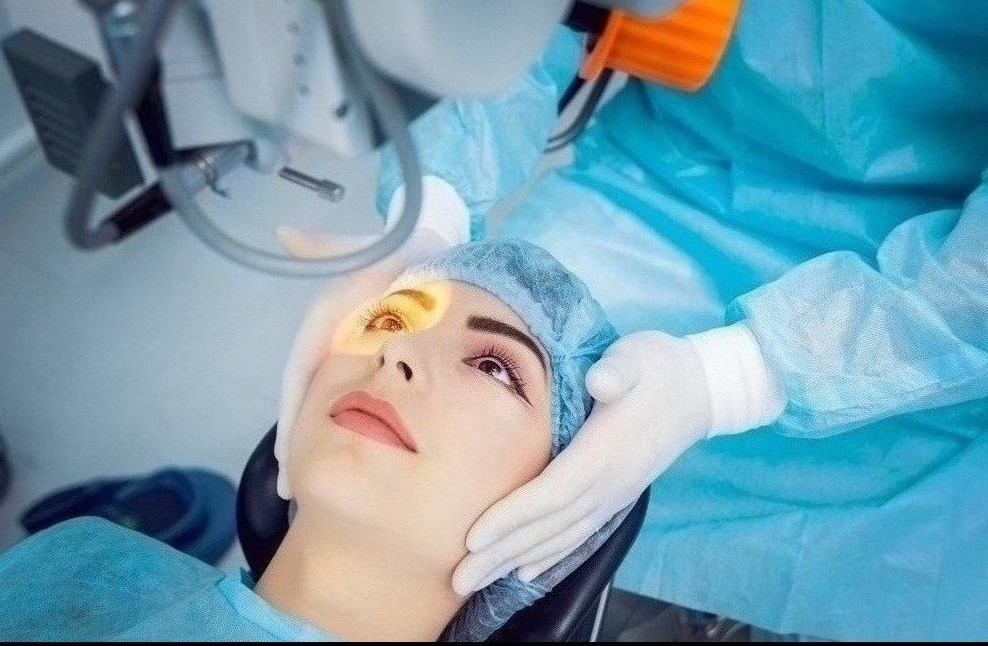
During cataract evaluation, the ophthalmologist examines the eye to determine whether the natural lens has become cloudy and how significantly the condition is affecting vision. Visual acuity and overall eye health are also assessed. Depending on the findings, the doctor can determine whether monitoring is sufficient or cataract surgery should be considered.
One common question is whether every diagnosed cataract requires immediate surgery. The answer depends largely on its effect on daily life. A relatively mild cataract that does not interfere significantly with routine activities may sometimes be monitored. Surgery may become more relevant when vision begins affecting reading, driving, work, mobility or other everyday tasks.
Modern cataract care also includes planning for the artificial intraocular lens, or IOL, that replaces the cloudy natural lens during surgery. Lens selection is based on factors such as eye measurements, visual requirements and the ophthalmologist's assessment. Patients should understand that there is no single lens option that is automatically suitable for everyone.
People considering cataract services should also discuss their general health and existing eye conditions during consultation. Diabetes, retinal disease, glaucoma and other conditions may influence treatment planning and expected visual outcomes.
For residents of Sahakar Nagar and nearby areas of Bengaluru, Karnataka, having cataract evaluation available locally can make consultations and follow-up visits more convenient. Akshara Eye Hospital in Sahakar Nagar provides ophthalmology services that include cataract evaluation and management.
Patients should also recognise symptoms that may not be typical of a slowly developing cataract. Sudden loss of vision, new flashes of light, a sudden increase in floaters or significant eye pain should be evaluated promptly because these changes can indicate other eye conditions.
Good cataract care begins with an accurate diagnosis rather than assumptions based only on age or symptoms. An eye examination can establish whether a cataract is responsible for visual difficulty and help patients understand the appropriate next step for maintaining useful vision.