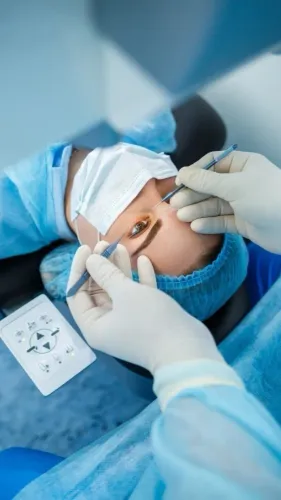

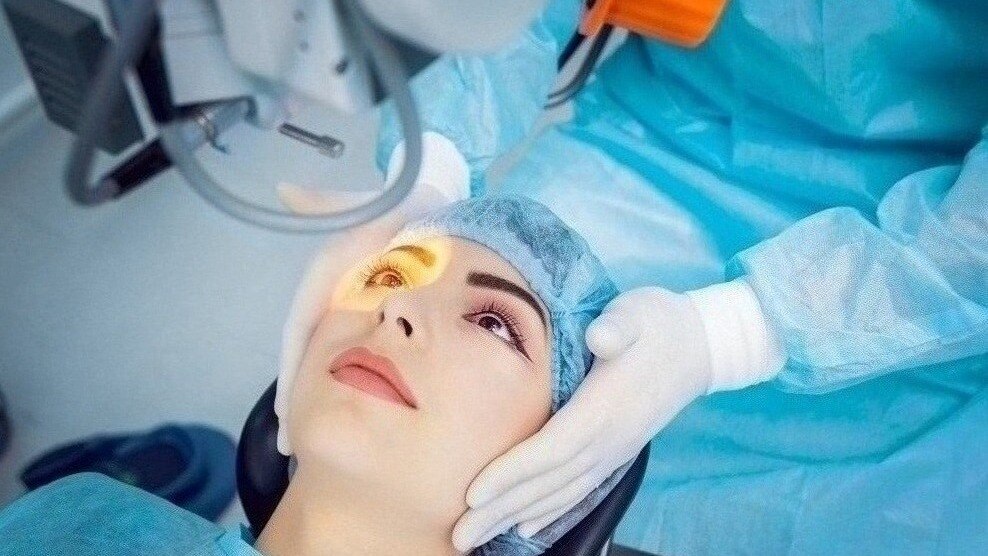
Adults with diabetes can usually undergo cataract surgery, but the decision depends on more than the cloudy lens. By assessing glucose stability, the retina, macula, optic nerve and other health conditions, you can discuss whether to proceed, postpone surgery or treat another eye problem first.
Key takeaways
- Diabetes alone does not rule out cataract surgery.
- Retinal and macular tests help predict useful vision after surgery.
- Control blood glucose and share all diabetes medicines with your surgical team.
- Cataract surgery cannot reverse vision loss caused by diabetic retinal disease.
When is cataract surgery suitable for an adult with diabetes?
Cataract surgery for adults with diabetes is not ruled out by diabetes alone. It is suitable when the cataract interferes with reading, driving, work or daily activities, and the retina, macula and optic nerve can support useful visual recovery.
A cataract specialist weighs the expected benefit against infection, inflammation, corneal swelling, pressure changes and worsening diabetic eye disease.
| Situation | What it means | Likely approach |
|---|---|---|
| Cataract is the main cause of poor vision; diabetic eye disease is absent, stable or treated | Useful visual recovery is likely | Proceed after assessment |
| Glucose is unstable, an eye infection is present, or another condition needs urgent treatment | Complication risk or poor recovery requires attention first | Postpone or stabilise the problem |
| Untreated diabetic macular oedema or active proliferative diabetic retinopathy is present | Retinal disease may limit recovery or worsen after surgery | Treat or control the retinal disease before or around surgery |
There is no single HbA1c number that automatically makes cataract surgery unsafe. HbA1c shows longer term control, but recent glucose readings, hypoglycaemia, kidney disease, cardiovascular health and the urgency of visual rehabilitation also matter. Ask which condition is limiting your vision and what could happen if surgery is delayed.
How should blood-glucose control be handled before surgery?
Tell the ophthalmic surgeon and diabetes clinician about your recent glucose readings, HbA1c result, low-blood-sugar episodes, illness and any recent change in tablets, injectable medicines or insulin. Unstable readings do not automatically cancel cataract surgery, but they require an individual plan.
| Situation | Why it matters | Confirm before surgery |
|---|---|---|
| Insulin or a medicine that causes hypoglycaemia | Fasting can produce dangerously low glucose | Which dose to take, reduce or omit, and when to check glucose |
| SGLT2 inhibitor use | Illness or fasting can trigger ketoacidosis | When to stop it and when to restart it |
| Any diabetes regimen | Excessive withholding can cause high glucose | Exact medicine, meal and monitoring instructions |
Do not stop insulin, metformin, sulfonylureas, SGLT2 inhibitors or any other diabetes medicine on your own. The operating team must specify what to take, reduce or omit, when to check glucose and when to resume normal doses. Fasting depends on the procedure, anaesthesia and medication regimen.
Ask whether to bring your glucose meter, glucose tablets and usual medicines. Report fever, a skin infection, vomiting, repeated readings outside your agreed range or a recent medication change before arriving. Good planning reduces avoidable disruption during cataract treatment, but it does not guarantee a complication-free result.
Which retinal tests and treatments come before the operation?
Before cataract eye surgery, a cataract specialist should examine the retina, not just measure the cloudy lens. A dilated retinal examination checks for diabetic retinopathy, retinal bleeding, new abnormal blood vessels, macular changes, glaucoma signs and other disease behind the cataract.
| Test | What it shows | When it is used |
|---|---|---|
| Dilated retinal examination | Retinopathy, bleeding, abnormal vessels, macular and optic-nerve changes | Before cataract surgery for adults with diabetes |
| Optical coherence tomography (OCT) | Cross-sectional images of the macula, including diabetic macular oedema missed by a vision test | When macular disease is suspected or visual loss is unexplained |
| Fluorescein angiography | Leaking or blocked retinal vessels and macular ischaemia | When the clinician needs to map disease or plan retinopathy treatment |
| B-scan ultrasonography | Retinal detachment or an eye mass when the retina cannot be seen | When a dense cataract blocks the retinal view |
Additional retinal imaging depends on the examination findings. Clinically significant diabetic macular oedema may need intravitreal anti-VEGF medicine, corticosteroid treatment or another retinal treatment before or around surgery. Active proliferative diabetic retinopathy may require laser or injections before the lens operation.
Retinopathy does not automatically mean postponing surgery. Timing depends on retinal severity and how urgently the cataract limits function. Akshara Eye Hospital can coordinate lens, macular and retinal assessment when these decisions overlap.
Related services
Surgery Cataract surgery is removal of the cataract which forms due to age and earlier in diabetic patients and implantation of an intra-ocular lens(IOL). View service → |
Cataract Services Akshara Eye Hospital in Bangalore offers advanced cataract services to help restore clear vision for individuals suffering from cataracts. View service → |
Will cataract eye surgery restore vision affected by diabetes?
Cataract eye surgery removes the cloudy optical barrier, but it does not repair diabetic retinopathy, diabetic macular oedema, macular ischaemia, glaucoma or optic-nerve damage. If the cataract causes most of the blur, cataract treatment can improve vision substantially. Retinal disease can still leave blur, distortion, reduced contrast or missing areas.
| Cause of limited vision | Expected effect after surgery | What to check |
|---|---|---|
| Cataract alone | Clearer, brighter vision is more likely | Whether the cataract explains most of the blur |
| Diabetic macular oedema | Recovery may be limited; oedema can worsen | Whether anti-VEGF medicine, corticosteroid treatment or other treatment is needed |
| Macular ischaemia, retinopathy, glaucoma or optic-nerve damage | Residual loss may remain despite a clear lens | Which condition is expected to set the visual limit |
Diabetes also raises the risk of postoperative inflammation, corneal oedema, pressure changes and progression of retinal disease. These complications do not occur in every patient, but pre-existing diabetic macular oedema is an important predictor of limited visual recovery.
Lens choice needs particular care when the macula is damaged. Multifocal and extended-depth-of-focus lenses can reduce contrast and create halos; a monofocal lens may provide more predictable image quality. Ask how success will be measured and whether macular treatment is needed.
Persistent blur calls for retinal and macular assessment, not an assumption that cataract surgery failed.
What should you expect on the day of surgery and during recovery?
The day of cataract surgery for adults with diabetes follows your operating team’s plan, not a routine fasting rule. Follow its exact instructions for fasting, diabetes medicines, insulin, eye drops and glucose checks.
Bring a current medication list, and tell staff if you ate outside the plan, took an extra dose or developed low or high glucose symptoms.
After surgery, use this recovery checklist:
- Use the prescribed anti-inflammatory and antibiotic eye drops exactly as directed.
- Avoid rubbing or pressing the operated eye.
- Attend the scheduled postoperative review.
- Continue your usual diabetes care and retinal screening unless your clinicians give different instructions.
People with diabetes often need closer retinal follow-up after cataract treatment. Removing the cloudy lens makes the back of the eye easier to examine, but it does not remove the risk of future diabetic retinopathy, macular oedema or other retinal disease.
Contact the surgical team urgently for worsening vision, increasing pain, marked redness, discharge, new flashes, a sudden increase in floaters or a curtain-like shadow. These symptoms can indicate infection, retinal complications, pressure problems or significant inflammation.
Cataract surgery may improve the view through the lens while diabetic eye disease still limits vision, so the most reliable plan links lens surgery with glucose management and treatment of retinal disease.
Frequently asked questions
When is cataract surgery suitable for an adult with diabetes?
It is suitable when the cataract interferes with reading, driving, work or daily activities, and the retina, macula and optic nerve can support useful visual recovery.
How should blood-glucose control be handled before cataract surgery?
Work with your diabetes and eye-care teams to review glucose control, diabetes medicines and fasting instructions before surgery. Do not change insulin or other medicines without medical guidance.
Which retinal tests and treatments come before cataract surgery?
Your eye specialist may examine the retina and macula with dilated fundoscopy and optical coherence tomography. Treat diabetic macular oedema, proliferative retinopathy or active retinal disease before surgery when required.
Will cataract eye surgery restore vision affected by diabetes?
Surgery removes the cloudy lens, but it cannot reverse vision loss from diabetic retinopathy, macular oedema or optic-nerve damage.
What should you expect on the day of surgery and during recovery?
Expect local anaesthetic, a short operation, prescribed eye drops and follow-up examinations. Protect the eye, avoid rubbing it and seek urgent advice for severe pain, worsening redness or sudden vision loss.