

Searching for a Retina Specialist Near Me often happens after someone notices an unexpected visual symptom or receives a referral following an eye examination. Knowing which symptoms may involve the retina can help patients understand when a specialist assessment is particularly important.
The retina sits at the back of the eye, so retinal disease is generally not something a person can identify by looking at the eye in a mirror.
Symptoms That Deserve Attention
A retina consultation may be appropriate when a person experiences:
New or rapidly increasing floaters
Flashes of light
A shadow or curtain across vision
Sudden visual loss
Distorted central vision
Persistent unexplained blurring
Missing areas in the visual field
Some of these symptoms can occur with conditions requiring prompt evaluation.
Medical Conditions Can Increase Retinal Risk
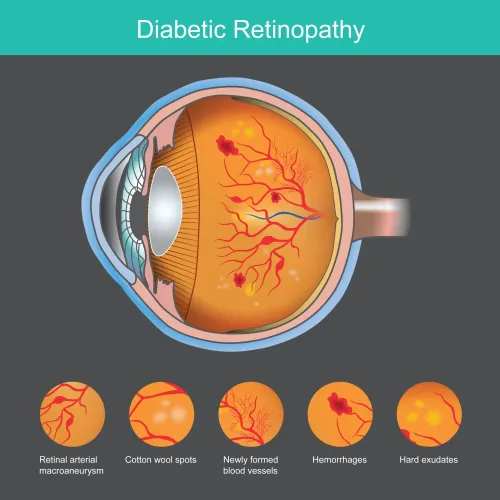
Diabetes is particularly relevant because diabetic retinopathy can progress before obvious visual symptoms occur.
People may also be referred for retinal evaluation because of age-related macular changes, retinal vascular problems or abnormalities discovered during a routine dilated eye examination.
What Happens During a Retina Consultation?
The ophthalmologist will usually review symptoms and relevant medical history before examining the retina.
Dilating drops may be used to allow a better view of the back of the eye. Depending on the findings, retinal imaging or other investigations may be advised.
Treatment is determined by the diagnosis rather than by symptoms alone. Management can range from observation and monitoring to laser procedures, intravitreal injections or surgery in selected conditions.
Choosing Retina Care Locally
For patients searching around Bannerghatta Road, accessibility matters because some retinal conditions require ongoing monitoring or repeated treatment.
Akshara Eye Hospital provides access to retinal evaluation for patients in Bengaluru, Karnataka. When selecting a provider, consider whether diagnostic assessment, explanation of findings, treatment planning and follow-up can be coordinated appropriately.
The urgency of retinal symptoms can vary considerably. Gradual changes may allow a scheduled consultation, while sudden flashes, many new floaters, a curtain-like shadow or abrupt loss of vision deserve prompt assessment.
Recognising these warning signs can help patients avoid assuming that every new visual disturbance is simply a change in spectacle power.