

Being diagnosed with a cataract does not necessarily mean that surgery has to be scheduled immediately. For many patients considering cataract surgery in Sahakar Nagar, the more useful question is whether the cataract has progressed enough to interfere with activities that matter in everyday life.
A cataract is a clouding of the natural lens of the eye. As the lens becomes less transparent, vision may gradually become blurred, hazy or sensitive to glare. Because progression can be slow, people sometimes adapt to the changes without recognising how much their eyesight has deteriorated.
There is no universal age or single visual measurement that determines the ideal time for cataract surgery. The decision is generally based on a combination of clinical findings and the patient's functional difficulties.
Surgery may become worth discussing when:
Reading becomes difficult despite appropriate spectacles.
Night driving becomes uncomfortable because of glare.
Recognising faces from a distance becomes harder.
Routine work requiring detailed vision becomes difficult.
Bright lights create excessive glare or halos.
Vision interferes with safe mobility or independence.
The cataract prevents adequate examination or management of another eye condition.
Before recommending surgery, an ophthalmologist evaluates the cataract and overall health of the eye. This assessment is important because reduced vision can have more than one cause. Retinal disease, glaucoma, corneal problems and other conditions may influence eyesight and the expected improvement after cataract surgery.
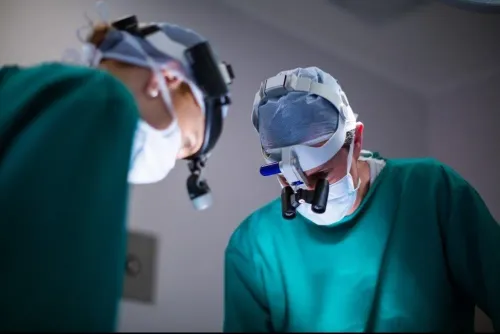
During cataract eye surgery, the cloudy natural lens is removed and replaced with an artificial intraocular lens. Preoperative measurements help determine the appropriate lens power.
Patients may encounter different intraocular lens choices while researching surgery. Instead of choosing a lens based solely on advertisements or another person's experience, it is more useful to discuss daily visual needs with the ophthalmologist. Reading habits, computer use, driving requirements, existing eye conditions and individual measurements can all influence lens planning.
Another concern is recovery. Patients should receive clear instructions about eye drops, protective measures, follow-up appointments and activities that may need to be temporarily restricted. Following postoperative instructions is an important part of cataract care.
People with diabetes, glaucoma, retinal conditions or previous eye procedures should make sure their ophthalmologist has a complete medical and ocular history. These factors can influence surgical planning and postoperative monitoring.
Akshara Eye Hospital provides cataract-related eye care in Sahakar Nagar, Bengaluru. For patients living in this part of Karnataka, local access can also make preoperative assessment and scheduled follow-up visits easier to manage.
Patients should not decide on surgery simply because someone of a similar age has undergone the procedure. Cataracts affect people differently. Someone who drives frequently or performs precision work may notice functional limitations sooner than a person whose visual demands are different.
The right time for cataract surgery is therefore determined by both the condition of the eye and the effect of the cataract on daily living. A detailed consultation helps establish whether continued observation or surgical treatment is the more appropriate next step.