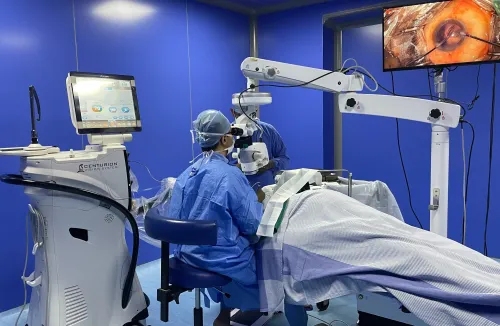

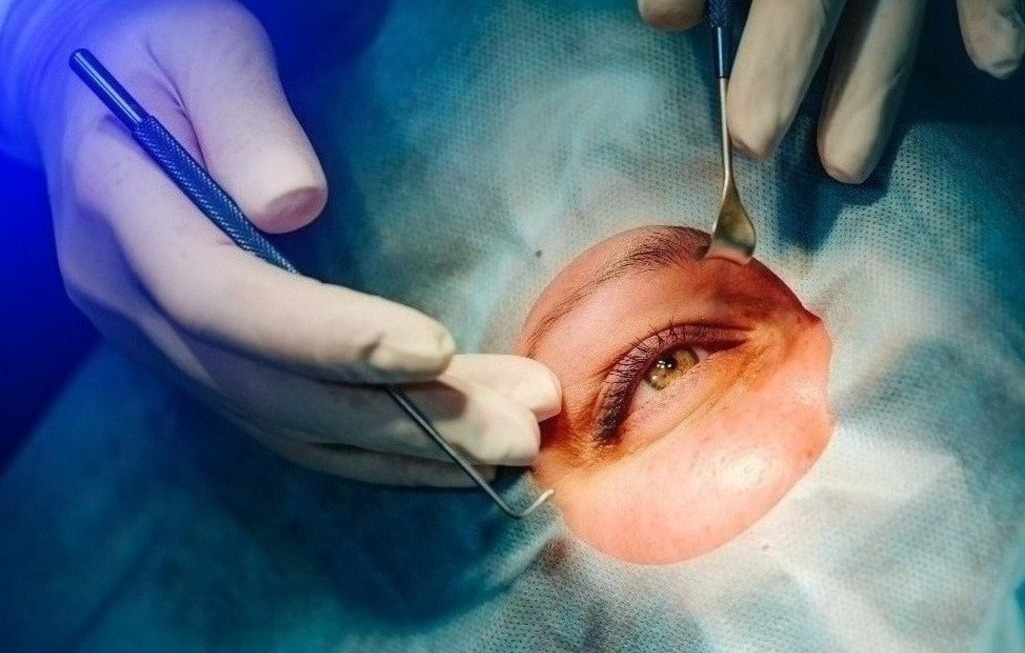
A cataract diagnosis does not automatically mean surgery must be performed immediately. One of the most common questions patients ask after diagnosis is, "How long can I wait?" The answer depends less on the mere presence of a cataract and more on how it affects vision and everyday independence.
Modern Cataract Treatment begins by evaluating the patient's symptoms, visual requirements and overall eye health.
Early Cataracts May Not Need Immediate Surgery
During the early stages, a person may still have functional vision. Updated spectacles, stronger reading light or changes to daily routines may temporarily make activities easier.
However, cataracts usually progress over time rather than disappearing naturally.
Patients should pay attention to functional changes such as difficulty:
- Reading comfortably
- Driving at night
- Seeing road signs
- Working on screens
- Recognising faces from a distance
- Managing stairs safely
- Performing detailed occupational tasks
Glare and reduced contrast can also become troublesome even when a standard vision chart does not appear dramatically worse.
Why Waiting Too Long May Not Be Helpful
There is a common belief that a cataract needs to become "ripe" before surgery. Treatment decisions today are generally based on visual difficulty, clinical findings and individual requirements rather than waiting for a particular stage described in everyday terminology.
At the same time, surgery should not be chosen simply because a cataract has been detected. A thorough examination is important because blurred vision can also be associated with retinal conditions, glaucoma, corneal problems or refractive errors.
Consider Your Daily Visual Needs
A person who drives regularly may seek treatment earlier because glare and night vision are important. Someone whose work involves reading fine details may notice limitations sooner than a person with fewer visually demanding activities.
This makes cataract treatment an individual decision.
For people living around Bannerghatta Road in Bengaluru, Karnataka, timely eye examinations can help monitor cataract progression. Akshara Eye Hospital evaluates patients based on their symptoms, eye findings and functional vision rather than relying on age alone.
If everyday activities are becoming noticeably harder because of cloudy vision, glare or poor contrast, a cataract consultation can clarify whether surgery is appropriate or continued observation is sufficient.